Why Your Workshop Needs a Lumber Stacker Today
Wiki Article
Exploring the most recent Developments in Woodworking Equipment for Boosted Craftsmanship
The woodworking industry is going through considerable change because of current developments in machinery. Technologies such as smart saws, CNC devices, and laser cutters are redefining accuracy and performance (Lumber Stacker). These tools not only boost craftsmanship yet also promote security and tidiness in the workspace. As innovation incorporates with traditional techniques, a brand-new level of creative thinking arises. The effects of these developments raise concerns regarding the future of woodworking and the potential for even higher advancements in advanceSmart Saws: Accuracy Reducing for each Wood Type
In recent times, many innovations in woodworking machinery have arised, with smart saws blazing a trail in accuracy reducing for various timber kinds. These sophisticated devices use digital innovation to improve accuracy and efficiency, allowing woodworkers to attain specific cuts with marginal initiative. Furnished with sensors and automated systems, smart saws can instantly readjust setups based on the kind and thickness of the wood, making certain peak efficiency for each and every job.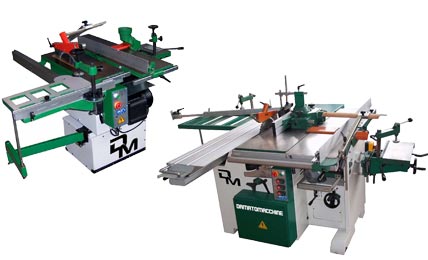
CNC Machines: Bringing Intricate Layouts to Life
CNC equipments stand for a considerable development in woodworking technology, making it possible for artisans to bring elaborate designs to life with remarkable accuracy. These computer-controlled gadgets utilize innovative software program to translate electronic styles and implement complex cuts and makings, reducing human error and optimizing efficiency. With the capacity to work with various products, consisting of softwoods, hardwoods, and compounds, CNC machines satisfy varied woodworking tasks, from furniture making to intricate cabinets.
Craftsmen can create in-depth patterns and shapes that would be labor-intensive or nearly difficult to accomplish with typical devices. The convenience of CNC equipments likewise permits fast prototyping, making it possible for designers to test and improve their concepts swiftly. Because of this, these equipments not only improve workmanship yet likewise increase the creative opportunities within the woodworking industry. By integrating accuracy and technology, CNC equipments have changed the way artisans approach their craft, setting brand-new criteria for quality and design.
Laser Cutters: Enhancing Detail and Effectiveness
While lots of woodworking devices enhance efficiency, laser cutters stand out for their capability to deliver exceptional information and performance. These advanced devices use concentrated laser beam of lights to reduce with timber with unparalleled precision, allowing artisans to create intricate designs that conventional techniques can not attain. The rate at which laser cutters run substantially lowers manufacturing time, making it possible for craftsmen to take on more jobs without compromising quality.Laser cutters additionally supply convenience, suiting numerous materials past wood, such as polymers and composites. This versatility enables businesses to diversify their offerings and attract a more comprehensive customers - Lumber Stacker. In addition, laser innovation minimizes waste by making cleaner cuts, which is both ecologically friendly and cost-efficient
As woodworking remains to progress, the combination of laser cutters stands for a major development, empowering artisans to push the borders of creative thinking and performance in their work. This advancement notes a crucial change in the woodworking market, improving both artistry and performance.
Dust Collection Equipments: Keeping a Clean Work Area
As woodworking tasks produce significant quantities of dust and particles, effective dust collection systems play a necessary role in keeping a safe and tidy workspace. These systems are made to record and remove particulate issue produced throughout cutting, sanding, and milling processes, thereby enhancing air top quality and decreasing the threat of breathing problems for craftsmen.Modern dirt collection systems utilize advanced modern technology, including cyclonic splitting up and high-efficiency filters, to maximize dust removal performance. Numerous systems can be integrated with existing machinery, enabling seamless procedure and reducing configuration time.
Additionally, mobile dust collection agencies give versatility for differing task sizes and locations, ensuring that woodworkers can keep tidiness no matter of work space constraints. Executing a robust dust collection system not only improves the total woodworking experience yet also prolongs the life of tools and machinery by protecting against dust accumulation. Consequently, purchasing high quality dust collection is crucial for any major woodworker.
Digital Design Software Application: Streamlining the Creative Refine

In addition, several software program alternatives incorporate effortlessly with CNC devices, permitting automated production based upon digital designs. This fusion of technology and workmanship not only expedites the manufacture procedure however also empowers woodworkers to explore cutting-edge styles without the constraints of typical methods. Ultimately, electronic style software is improving woodworking, promoting a brand-new age where creativity and innovation exist side-by-side sympathetically
Frequently Asked Inquiries
What Are the Maintenance Needs for Modern Woodworking Machinery?
Modern woodworking equipment needs normal cleaning, lubrication of moving components, inspection for deterioration, tightening up of loosened components, and regular calibration to guarantee peak performance and long life, contributing to total efficiency and safety and security during operations.Just how Do I Choose the Right Maker for My Workshop Dimension?
To choose the ideal machine for a workshop size, one need to examine readily available area, take into consideration the machine's footprint, review power requirements, and prioritize multifunctional devices for efficiency, ensuring compatibility with the designated woodworking tasks.
Exist Safety And Security Attributes in New Woodworking Machines?
Lots of brand-new woodworking machines incorporate advanced safety functions, such as automated shut-off systems, blade guards, and emergency situation stop buttons. These enhancements aim to safeguard customers and minimize mishaps, advertising a safer working atmosphere for artisans.What Is the Typical Life-span of Woodworking Machinery?
The average lifespan of woodworking machinery usually varies from 10 to twenty years, depending on use, maintenance, and the top quality of the machine. Normal upkeep can significantly expand its operational efficiency and long life.How Can I Financing the Acquisition of Woodworking Tools?
Financing woodworking devices can be accomplished via various methods, including personal lendings, devices funding alternatives, leasing Rotary Claming System agreements, or using bank loan. Assessing one's spending plan and researching financing sources is necessary for educated decision-making.As a result, these machines not only enhance craftsmanship but likewise increase the imaginative opportunities within the woodworking sector. Implementing a robust dust collection system not only boosts the overall woodworking experience however also prolongs the life of tools and machinery by avoiding dust accumulation. In parallel, digital design software has arised as a crucial tool in the woodworking market, substantially streamlining the creative procedure. Numerous new woodworking devices integrate advanced security functions, such as automated shut-off systems, blade guards, and emergency stop buttons. The average life expectancy of woodworking equipment typically ranges from 10 to 20 years, depending on use, upkeep, and the high quality of the device.
Report this wiki page